Why 8x beats 10x for beginners
Higher power magnifies normal hand tremor and narrows your field of view. An 8x optic keeps elusive warblers inside your frame and delivers a steadier view without a tripod.
Marketplace listings confuse beginners with high-power claims and optical jargon. We decode the numbers, balance weight against magnification, and point you toward comfortable glass you will actually carry outside.

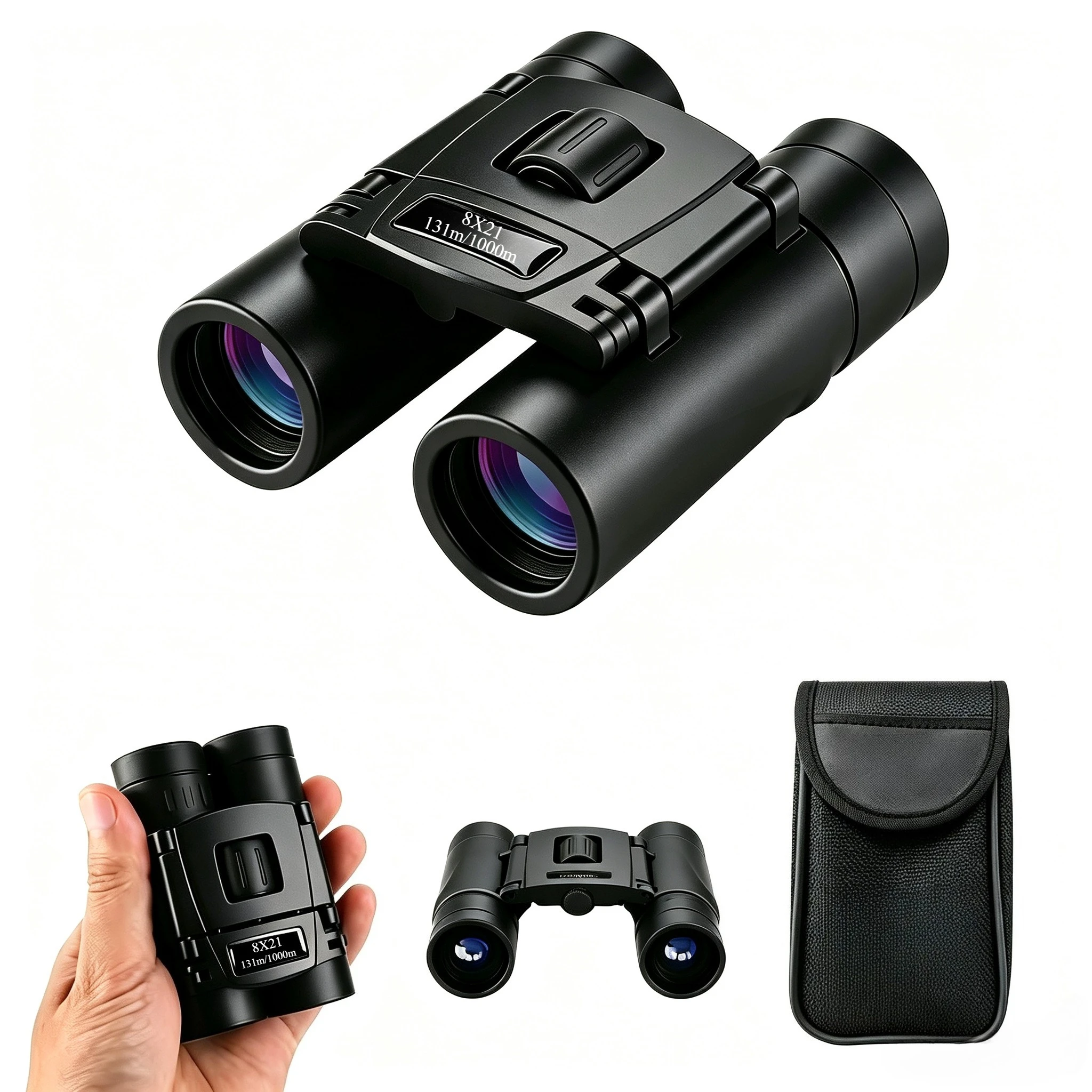
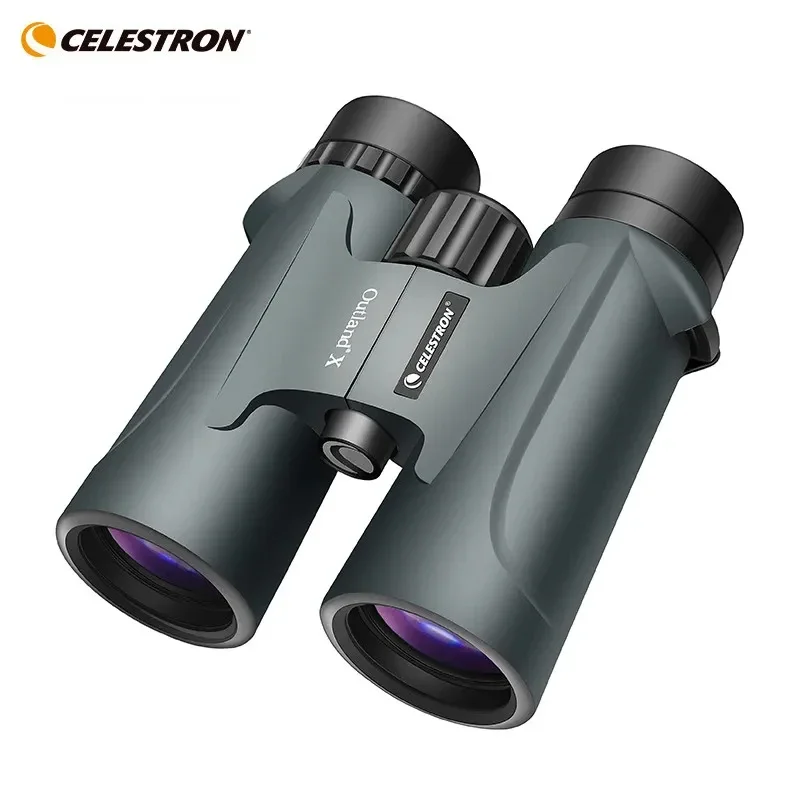
Before spending hard-earned money, understand the optical trade-offs that determine handheld comfort.
Higher power magnifies normal hand tremor and narrows your field of view. An 8x optic keeps elusive warblers inside your frame and delivers a steadier view without a tripod.
The second number is front lens diameter in millimeters. 42mm pulls in early dawn light under dense canopy; 32mm saves valuable pack weight on multi-hour woodland walks.
Spectacle wearers need twist-up eye cups with at least 15mm of eye relief. Without it, your peripheral vision vignettes into dark circular tunnels regardless of lens quality.
For dining table viewing and quick porch checks, physical weight matters less than close focus distances under two meters and effortless wheel resistance.
Heavy optics get left in the car. For active foot travel, trim compact chassis between 450g and 550g keep nature walks enjoyable without sacrificing twilight clarity.
We do not accept paid placements from optics brands or endorse high-magnification gimmicks that frustrate new birders. Our guides focus entirely on ergonomics, honest budget limitations, and field reliability.
